A companion page to the NHS Publication “On The Rocks” by Victor Keating (1887-1979).
Spoiler Alert – If you’ve not finished reading the book, please proceed no further.
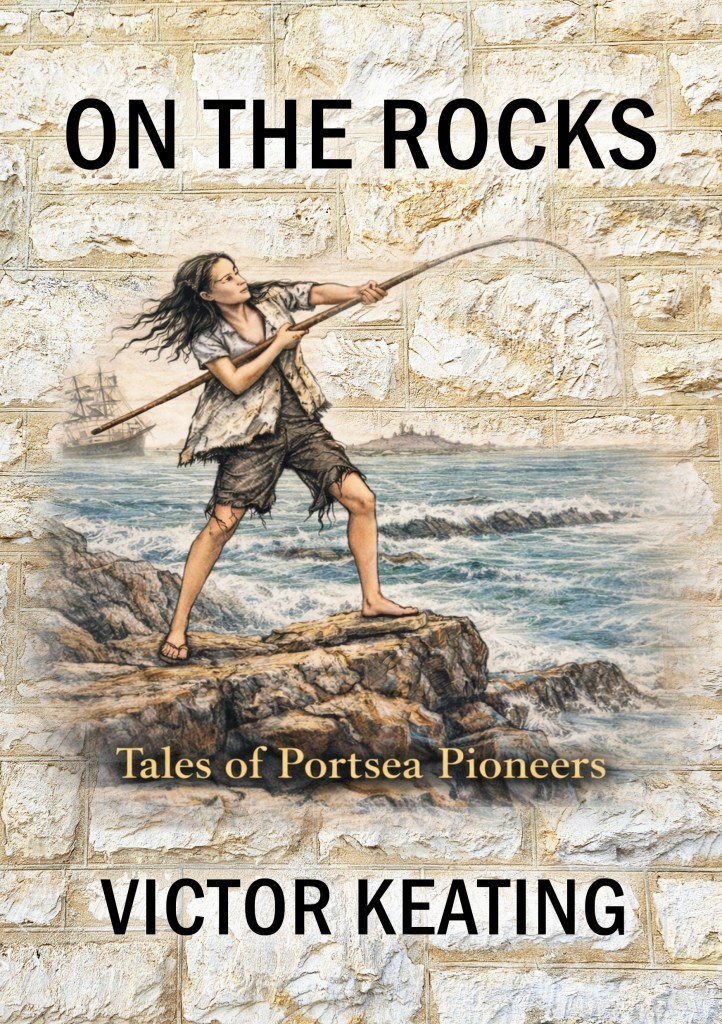
This remarkable historical novel contains many fascinating characters and events.
The basis of many of these people and events are unknown to anyone but the author. However, there is much in the book that is identifiable. Some easily, but more that requires extensive detective work. Rather than add footnotes to the book we have created this companion webpage that endeavours to identify some of the people and events you have enjoyed reading about.
This companion webpage is a work in progress and any ideas or new facts will be welcomed.
Overall
First published in 1969, the book is set on the Southern Peninsula principally between about 1850 and 1900. We travel through time with the central characters while their environment changes inexorably around them. The ‘march of time’ and the ‘development’ of the Southern Peninsula is a central theme of the book and is certainly one that resonates to this day. Some decades after its original publication.
As with any of the points that follow, if you have some evidence that adds to the discussion, please contact us via the ‘contact form’ below.
Here we will take you through the book as written and study the characters, places and events as they are revealed to us. To this end, and to facilitate a workable page size, we will break the book into its chapters 1 – 13.
For reference, the area from Point Nepean to Rye, where the book is set, was initially known as either ‘Point Nepean‘ or ‘The Heads‘ until the various townships were named.
Enjoy the journey.
| Chapter 1 |  |
| Chapter 2 |  |
| Chapter 3 | 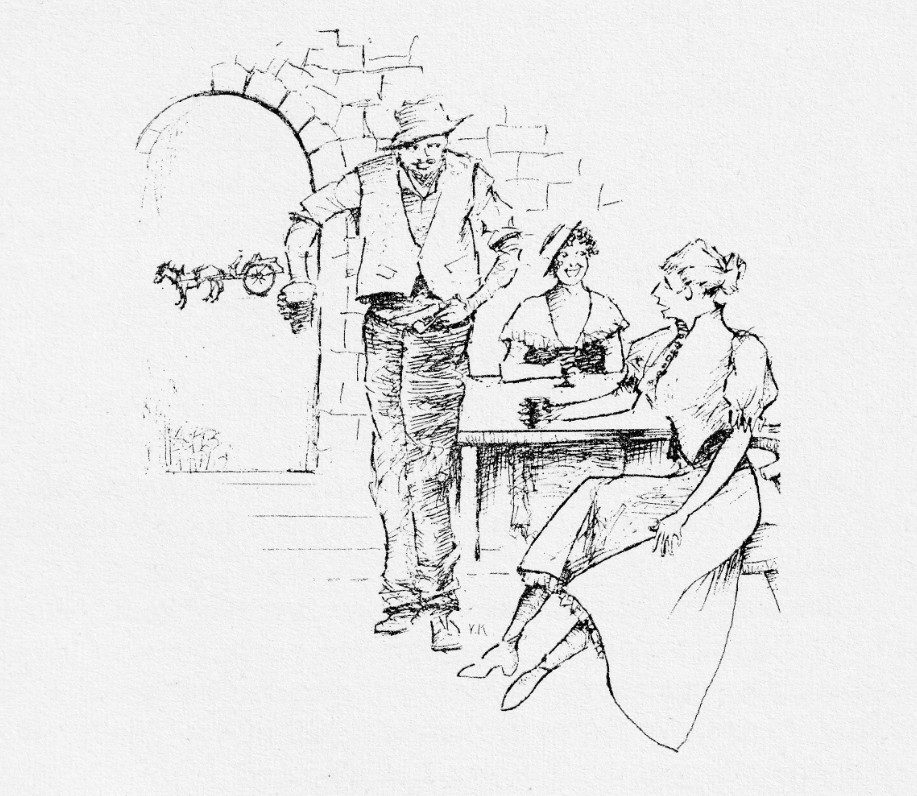 |
| Chapter 4 | 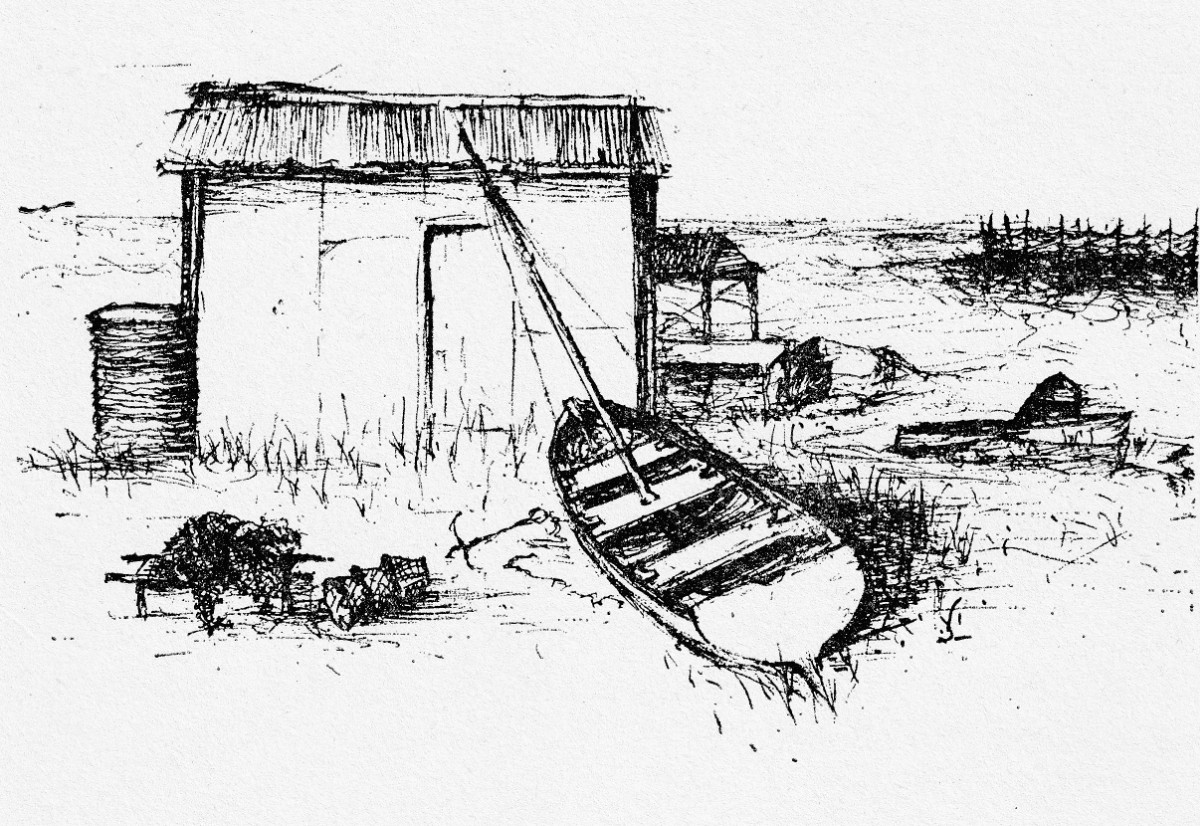 |
| Chapter 5 | 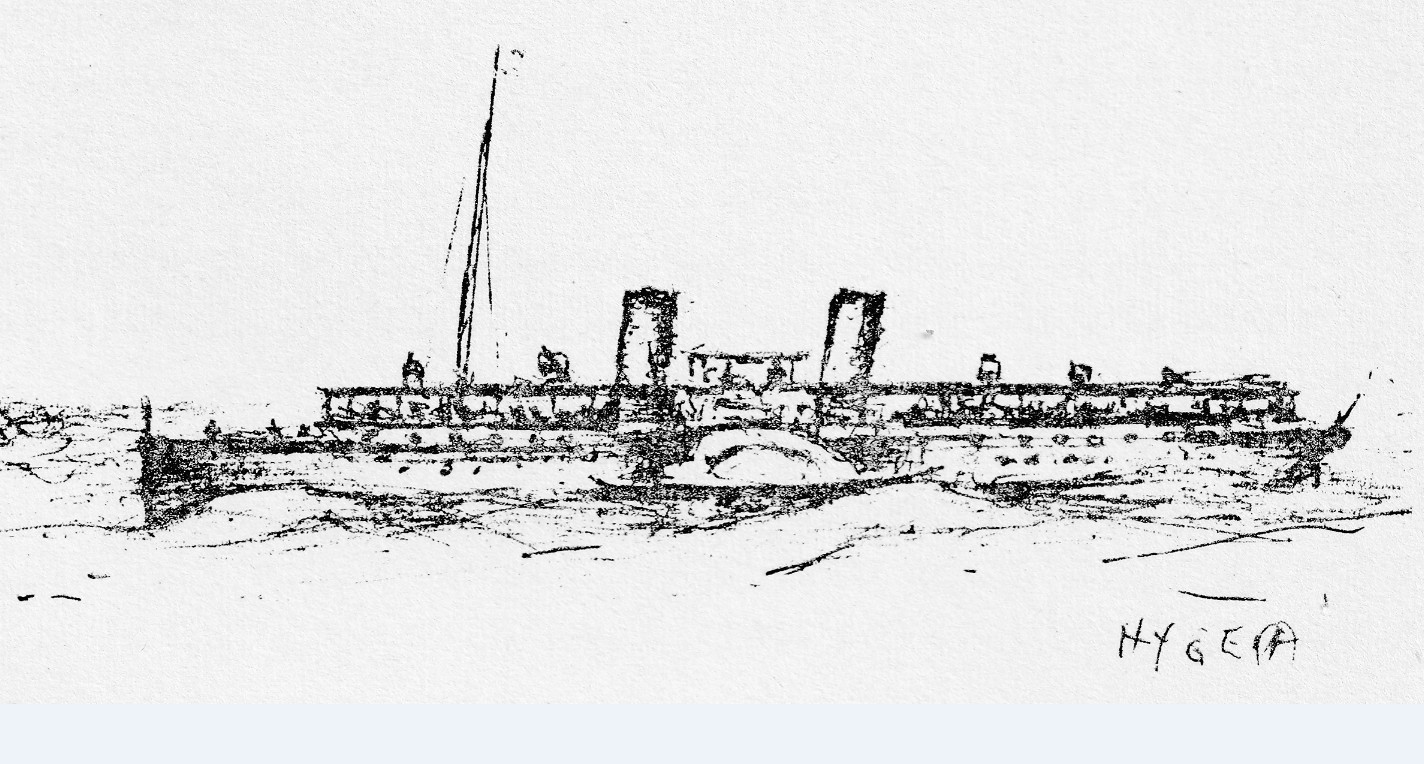 |
| Chapter 6 | 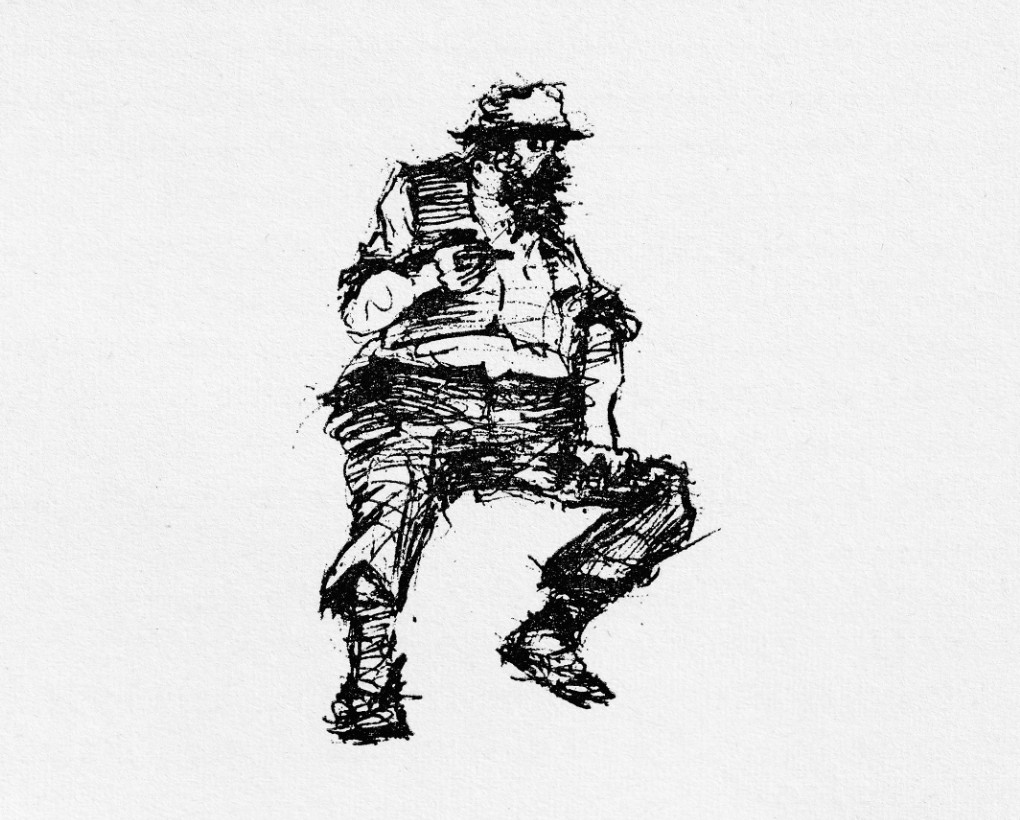 |
| Chapter 7 | 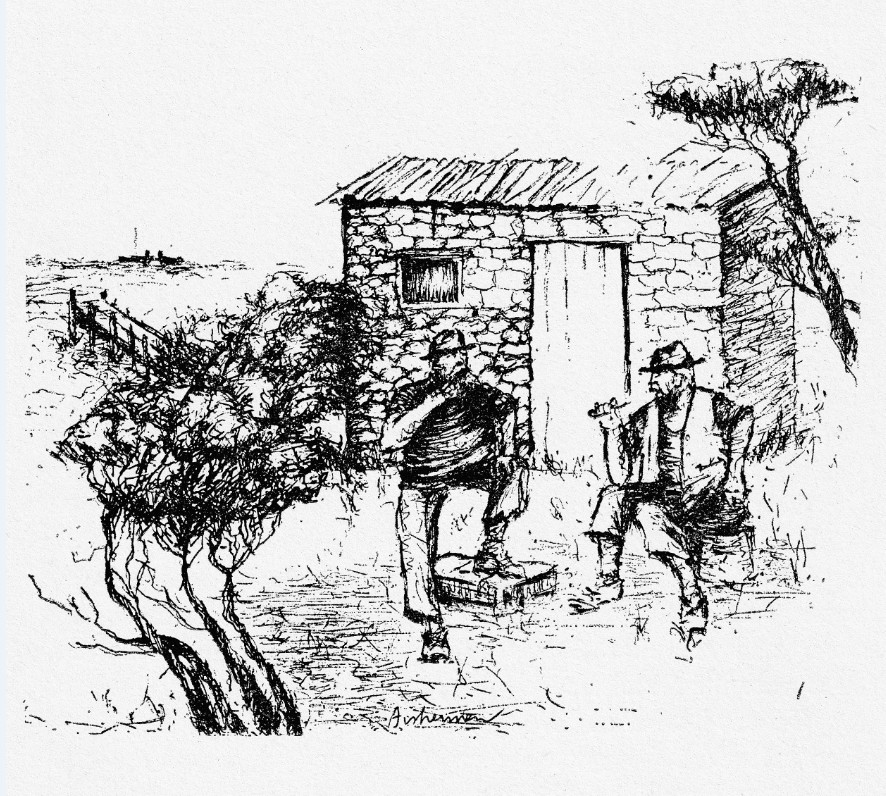 |
| Chapter 8 | 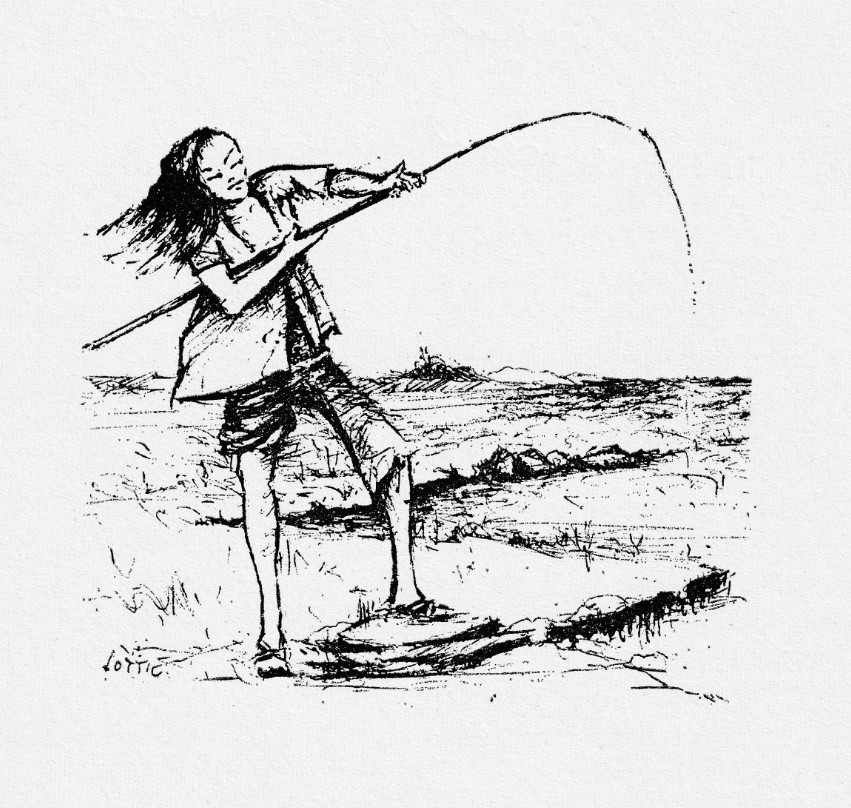 |
| Chapter 9 | 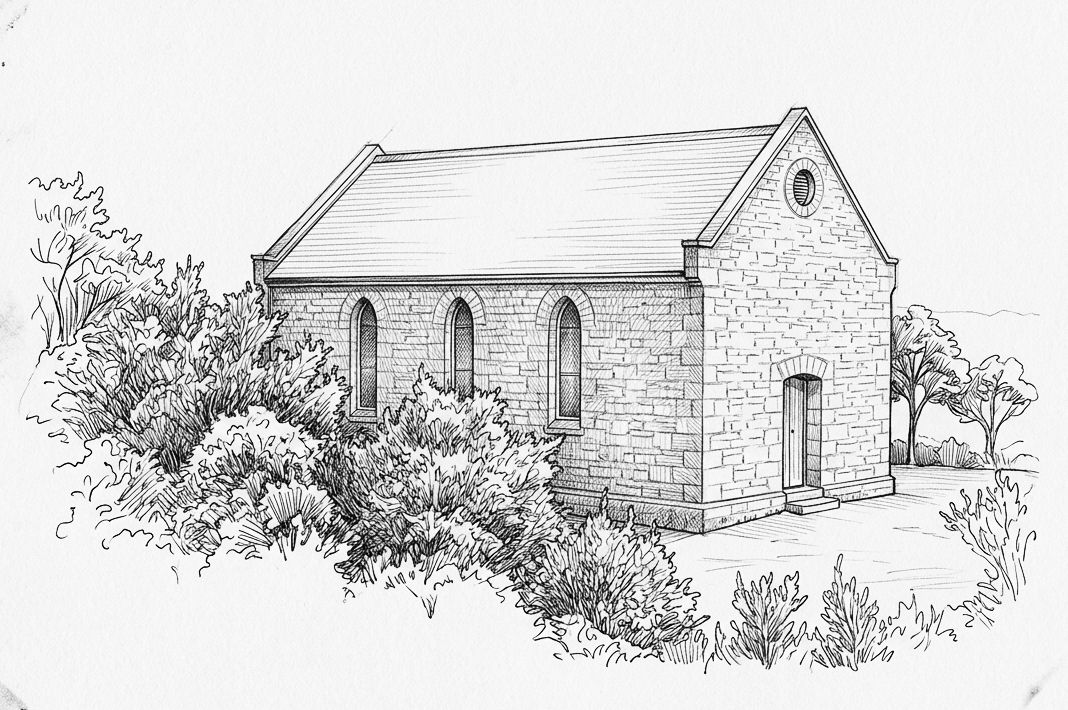 |
| Chapter 10 | 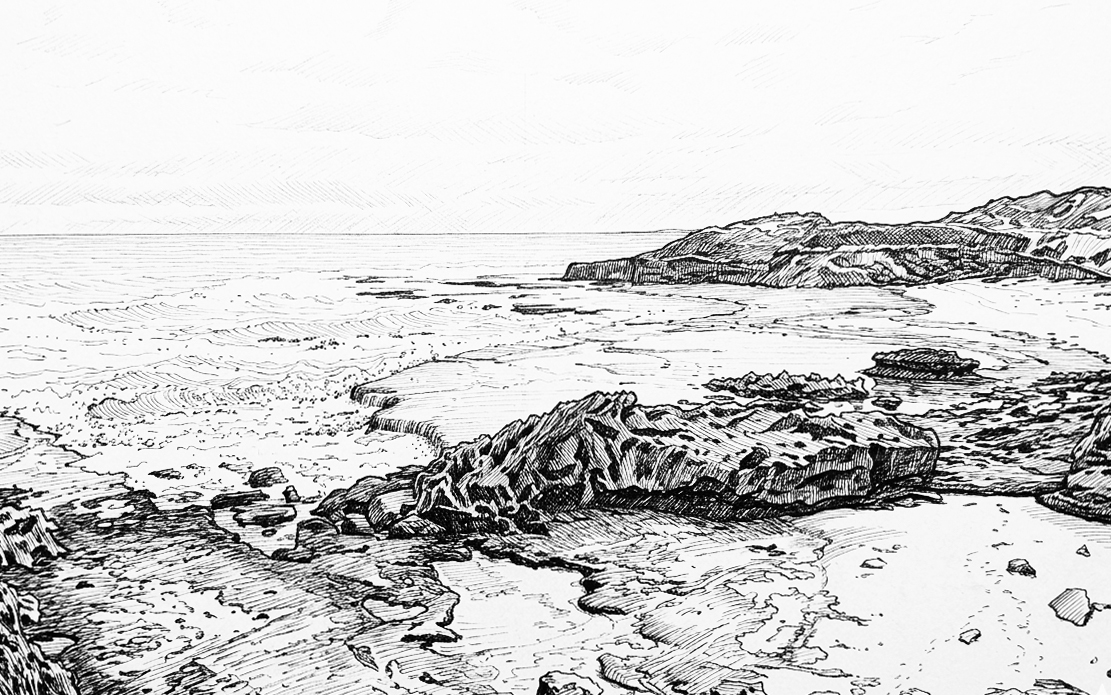 |
| Chapter 11 |  |
| Chapter 12 |  |
| Chapter 13 |  |
Or researchers have made every effort to identify the people and events described in the book, but there is still much to learn.
If you have something to add, please contact us via the form below:
(Please note that while we welcome your contributions, we have only a small group of volunteers to follow up on any research and we cannot guarantee to publish unverifiable information.)
Contact Us by completing the form below:


All the research and writing for this project has been done by our dedicated team of Volunteers. If you’ve learnt something and enjoyed it, please don’t feel shy to show your appreciation. You can make a tax deductible donation at the NHS Shop HERE, or even consider becoming a Member and supporting the work we do HERE.
Enjoy
 Nepean Historical Society